The Art of Fabric in Digital Fashion: How Material Defines the Garment
October 19, 2026 · TWINZ STUDIO
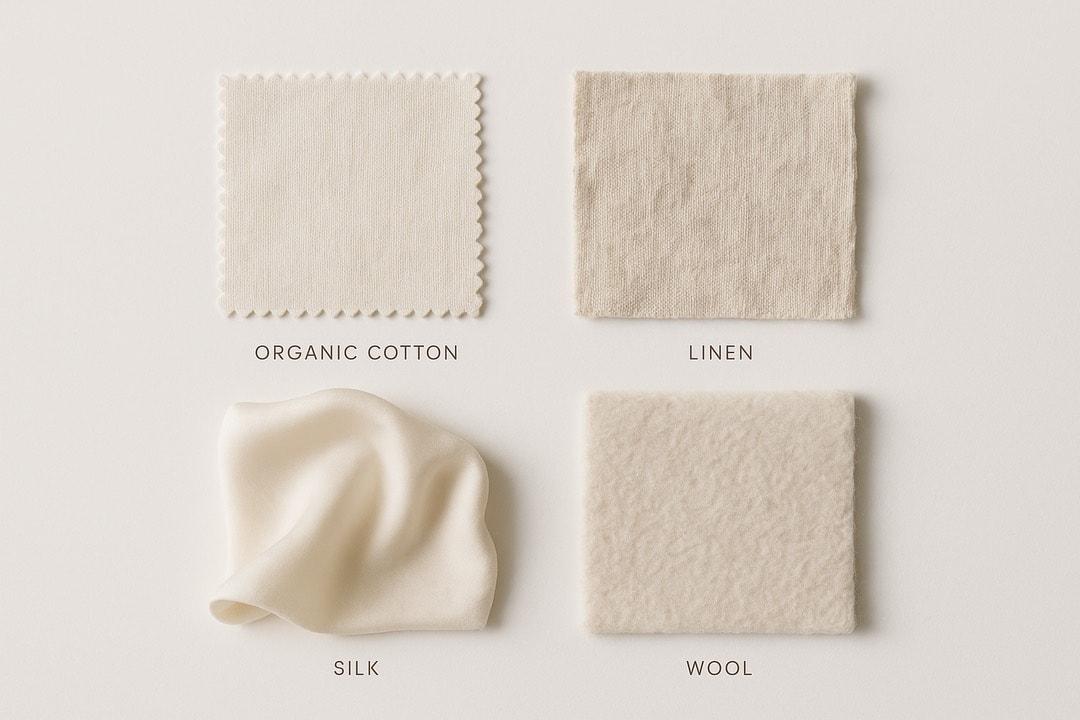
Fabric is more than a surface. In digital fashion, its weight, texture, drape, and physical behavior shape the identity of a garment. Discover how material simulation influences silhouette, realism, and the design process in CLO3D.
The Art of Fabric in Digital Fashion: How Material Defines the Garment
Introduction
A garment is never defined by silhouette alone.
The same design can feel soft or structured, light or substantial, delicate or architectural depending on the material from which it is made. Fabric influences how a garment falls, how it moves, how it holds its shape, and how it interacts with the body.
In digital fashion, these qualities become part of the design process itself.
A convincing digital garment requires more than a well-constructed pattern and an attractive render. It requires an understanding of how materials behave—and how their behavior can be translated into a digital environment.
From the fluid movement of lightweight fabric to the structured presence of heavier textiles, material can transform the identity of a design.
This is why fabric simulation is one of the most important elements of digital garment development.
1. Fabric Is More Than Appearance
When we look at a textile, we often notice its color and surface first. But a fabric communicates much more than its appearance.
Its weight influences how it hangs. Its thickness affects volume and edge definition. Its flexibility determines how easily it bends and folds. Its surface texture changes how light interacts with it.
Two fabrics can share a similar color while producing completely different results in the same garment.
A lightweight textile may create soft, flowing folds. A heavier material may produce broader, more controlled shapes. A crisp fabric may hold a defined silhouette, while a fluid one may follow the body more closely.
For designers, understanding these differences is essential. Material is not simply selected after the design is complete. It can influence the design from the beginning.
2. Understanding Drape, Weight, and Structure
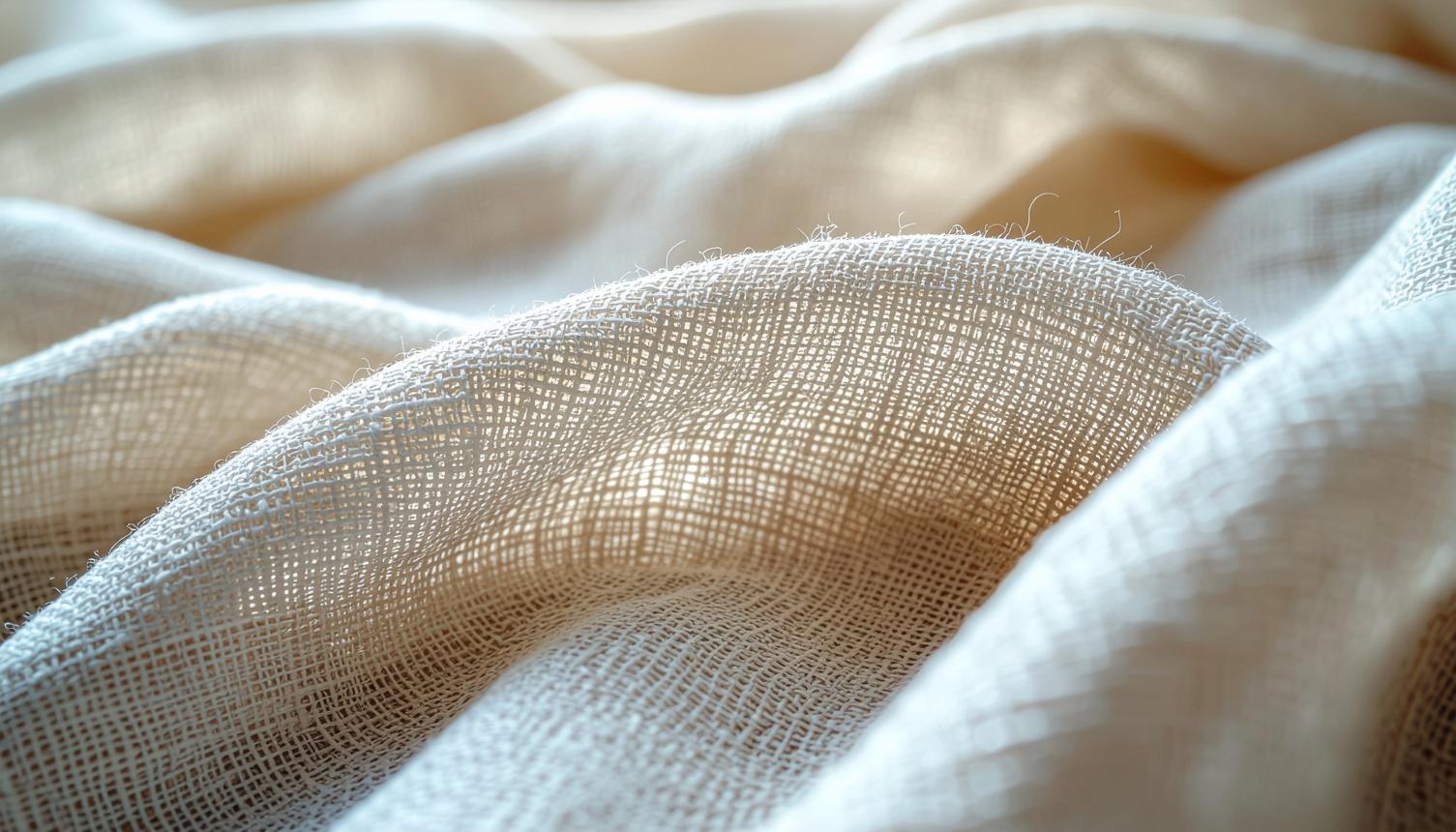
Drape describes how a fabric falls and forms folds under gravity. It is one of the most recognizable characteristics of a textile, yet it is also one of the easiest qualities to misrepresent in a digital garment.
A fluid fabric tends to form softer, more frequent folds. A stiffer textile may create fewer, more pronounced folds and maintain a more defined shape.
Weight and thickness also contribute to the result, but they are not interchangeable. A fabric can be lightweight yet relatively stiff, or heavy while remaining flexible.
The designer must consider how these properties work together rather than relying on a single setting or visual impression.
In a digital workflow, the goal is not to make every fabric look beautiful in isolation. It is to make the material behave convincingly in relation to the pattern, silhouette, construction, and body.
3. Texture: The Detail That Makes a Difference
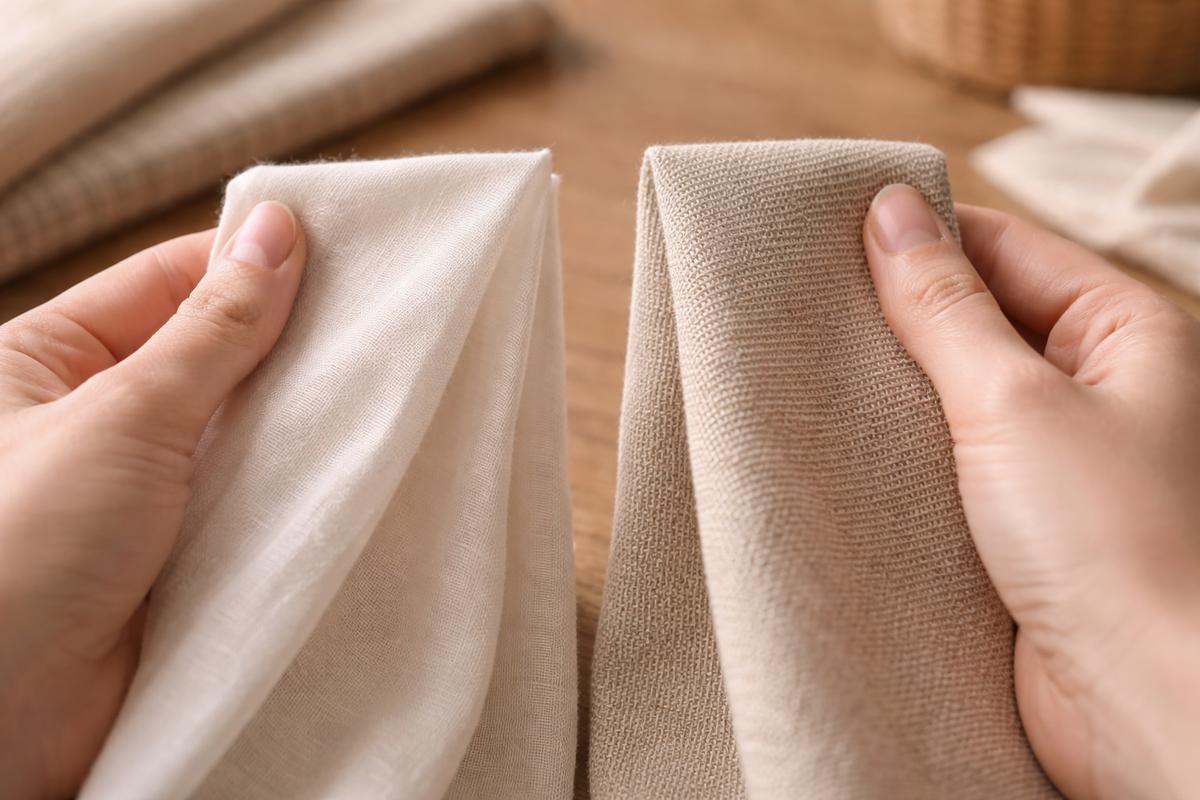
Texture gives a textile its visual and tactile character.
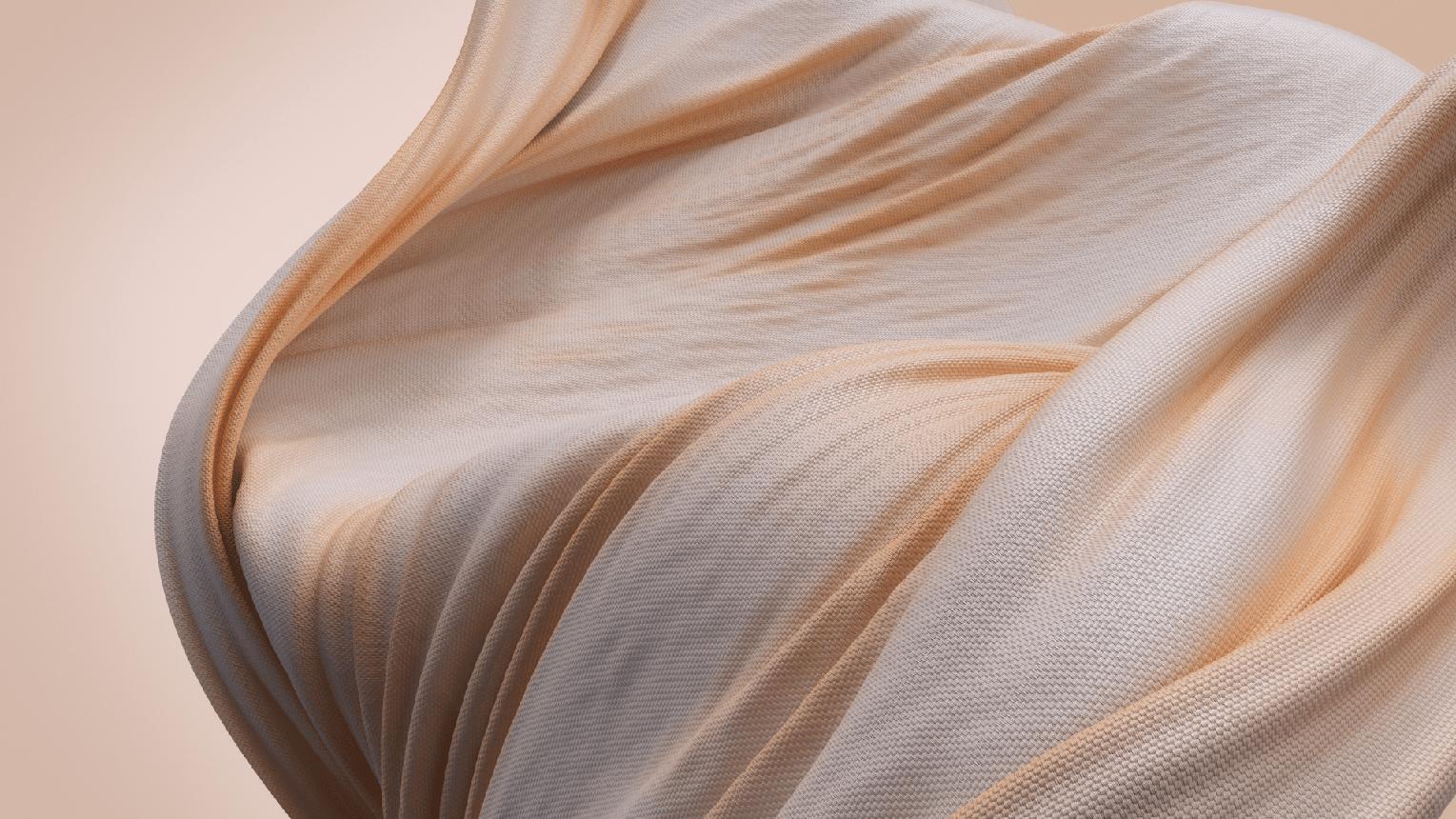
The weave of linen, the soft surface of wool, the subtle sheen of satin, and the irregular character of a natural textile each respond to light differently. These differences can influence whether a digital garment feels convincing or artificial.
A texture map alone cannot compensate for material properties that do not match the intended fabric. Similarly, realistic physical behavior can lose its impact if the surface looks too smooth, too repetitive, or incorrectly scaled.
Successful material development requires a relationship between surface appearance and fabric behavior.
The texture should look appropriate at the scale of the garment, respond naturally to lighting, and support the design rather than distract from it.
4. Fabric Simulation in CLO3D
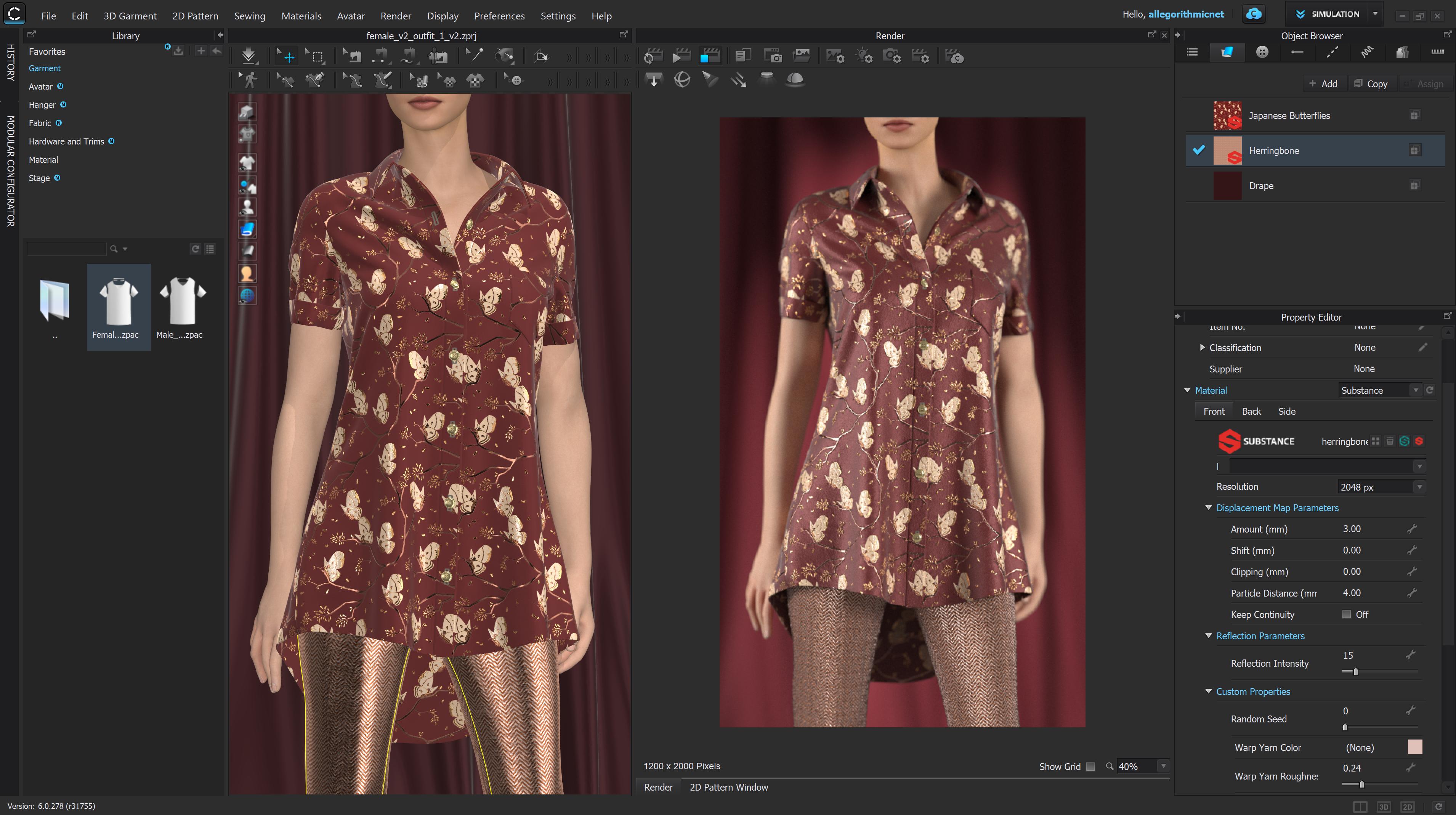
In CLO3D, material settings and garment construction work together to shape the final result.
The pattern determines the garment's basic geometry, while sewing relationships, fit, and material properties influence how the garment behaves in simulation.
The workflow may involve adjusting fabric properties, observing how the garment falls, checking folds and tension, and refining the design where necessary.
The process is iterative. A change in material behavior can alter the silhouette, while a change in pattern or construction can affect how the fabric settles.
This is why material simulation should not be treated as a final decorative step. It is part of garment development.
The most useful settings are not necessarily those that produce the most dramatic folds or the smoothest surface. They are the ones that support the intended material and design.
5. One Design, Different Materials
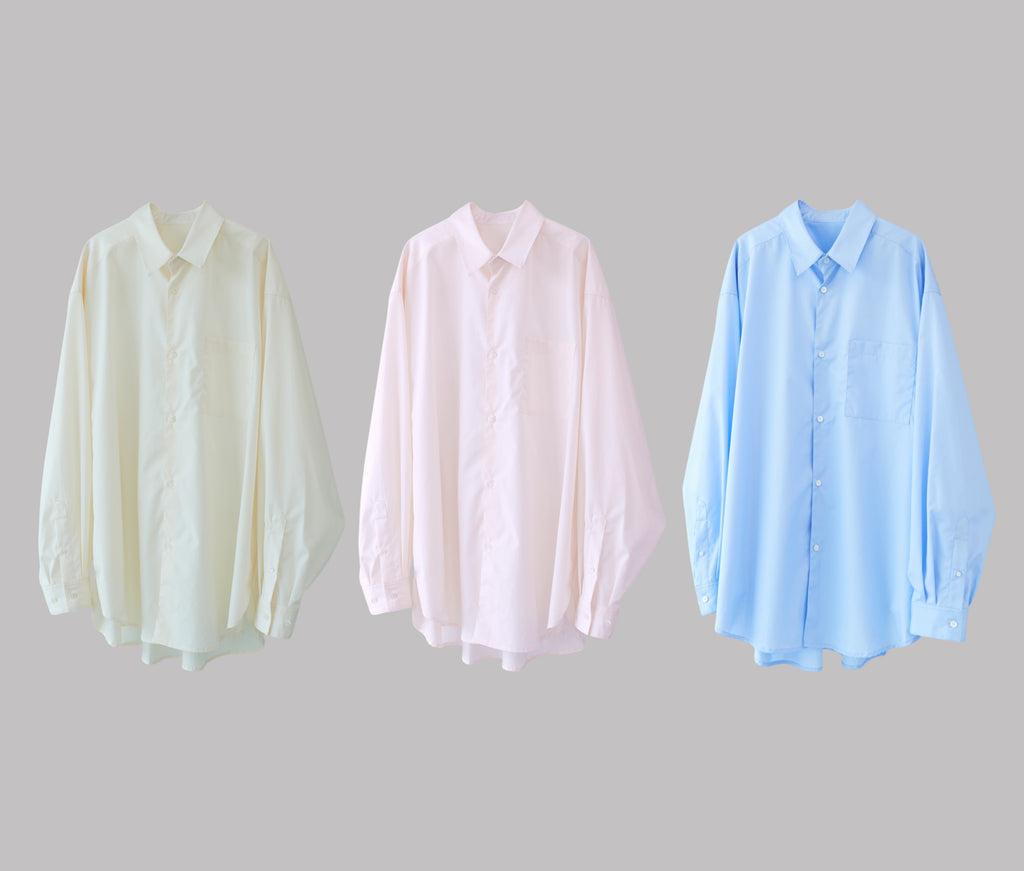
Imagine a simple oversized shirt created in the same pattern.
In a lightweight, fluid fabric, the shirt may appear relaxed, with soft folds and a closer response to movement. In a crisp cotton, it may hold a cleaner outline and create more defined volume. In a heavier textile, the garment may feel more substantial, with a different balance around the shoulders and hem.
The pattern remains the starting point, but the visual identity changes.
This comparison reveals an important principle: fabric is an active part of design, not a finishing choice applied after the creative decisions have been made.
Exploring alternative materials digitally can help designers evaluate possibilities before committing to a final direction.
6. Common Mistakes in Digital Fabric Development
One common mistake is choosing material settings based only on appearance. A fabric may look correct in a close-up but behave unrealistically when the garment moves or hangs on the body.
Another is overlooking scale. A weave or texture that appears convincing on a small sample may look oversized or repetitive across a full garment.
Excessive smoothing can also remove the natural character of a textile. At the other extreme, exaggerated folds and overly strong surface effects can make a garment look artificial.
Finally, fabric cannot be evaluated separately from construction. Pattern shape, seam placement, garment ease, and fit all contribute to the final appearance.
A convincing result comes from evaluating these elements together.
7. From Physical Material to Digital Interpretation
Digital fashion does not need to reproduce every physical detail perfectly to communicate the character of a material. It does, however, require thoughtful interpretation.
The designer must decide which qualities are essential to the concept: softness, structure, transparency, texture, movement, or a particular response to light.
These qualities can then guide material selection, simulation, lighting, and rendering.
The objective is not simply to create a photorealistic surface. It is to build a coherent relationship between the fabric, the garment, and the visual story.
This becomes especially important when a digital garment is used for concept development, design communication, virtual sampling, or editorial presentation.
8. The TWINZ Perspective
At TWINZ STUDIO, digital garment development is an opportunity to explore the relationship between form, material, and visual expression.
Working digitally allows designers to test ideas, compare material directions, and refine a garment's appearance without treating the first result as the final answer.
Fabric simulation is an important part of this process because material affects more than realism. It influences the character of the silhouette, the rhythm of folds, the perception of volume, and the overall mood of a design.
A successful digital garment is not defined by detail alone. It is defined by how well its elements work together.
Conclusion: Material Shapes the Design
Fabric is not simply what a garment is made from. It is one of the forces that determines what the garment becomes.
Weight influences movement. Structure influences silhouette. Texture influences perception. Simulation connects these qualities to the digital design process.
When designers understand material as an active part of creation, digital tools become more than a way to visualize an idea. They become a way to investigate, test, and develop it.
In digital fashion, the material does not merely finish the design.
It helps define it.